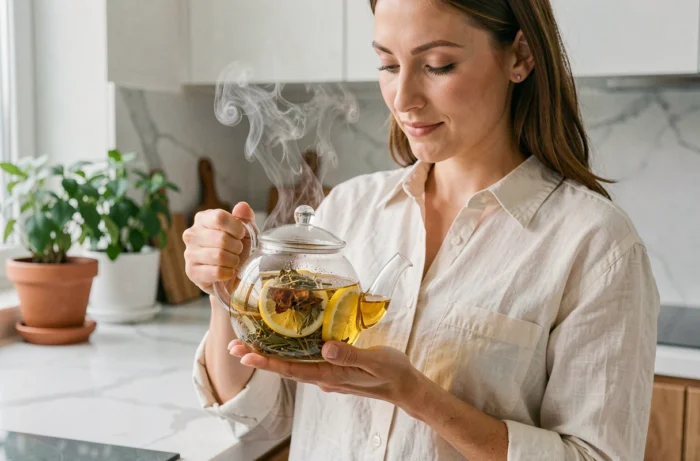
We buy a weight loss herbal tea, drink it for two weeks, and nothing changes on the scale. The problem rarely lies with the plant itself, but rather with the gap between what we expect from an infusion and what it can actually do. Choosing the right weight loss herbal tea starts with understanding the targeted mechanism: drainage, metabolism support, or reduction of bloating. Each goal calls for different plants, different times of consumption, and distinct precautions.
Concentrated extracts and classic infusions: a risk gap to know
When we talk about herbal tea for weight loss, we often mix two realities. A cup of green tea infusion made with whole leaves and simmering water does not have the same profile as a dietary supplement sold in the form of capsules or tablets concentrated in EGCG.
The EFSA raised concerns as early as 2018 regarding extracts rich in EGCG, particularly beyond 800 mg per day. Classic infusions are still considered safe at usual consumption levels, whereas capsules and products labeled “fat burners” have been associated with elevated liver enzymes and, in rare cases, liver damage.
Before asking which slimming infusion to choose, it saves time to check one simple point: the form of the product. A loose or bagged herbal tea, prepared by oneself, is nothing like an industrially dosed concentrated extract. Herbal weight loss products are also subject to increased health vigilance, particularly concerning these highly dosed mixtures.
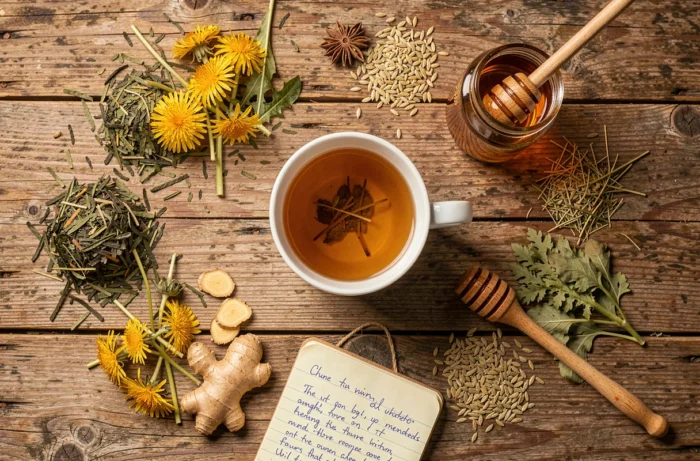
Draining herbal tea, fat burner, or flat stomach: targeting the right mechanism
Not all plants work the same way. Grouping “weight loss herbal tea” into a single category leads to disappointments. Three families of plants appear in the compositions, and each targets a specific effect.
Draining plants to reduce water retention
Dandelion, meadowsweet, or cherry stalks promote renal elimination. An effect on comfort (feeling of lightness, reduction of swelling) is observed without a direct action on fat mass. The draining effect acts on water, not on fat.
These infusions are suitable when experiencing bloating, especially at the end of the day or during hot weather. They are not intended to melt away a lasting weight surplus.
So-called thermogenic plants
Green tea and mate contain caffeine, which slightly stimulates metabolism. A meta-analysis published in 2024 observed a small average decrease in weight with green tea, but with a low to very low level of certainty and risks of bias in the analyzed studies.
Green tea is not an independent method of weight loss. We are talking about modest support, not a primary lever. Mate shares this stimulating profile, with caffeine content sometimes higher depending on the preparation.
Digestive plants for a flat stomach effect
Peppermint, fennel, and star anise reduce bloating and facilitate transit. The visual effect on the stomach can be noticeable without actual weight change. For those bothered by daily digestive discomfort, these infusions provide measurable comfort.
Caffeine and tannins: herbal teas unsuitable for certain profiles
You do not choose a weight loss herbal tea solely based on the desired action. You also need to consider your own tolerance. The caffeine in green tea and mate can cause nervousness, palpitations, and sleep disturbances in sensitive individuals.
Tannins, present in green tea in particular, can also cause digestive discomfort (nausea, heartburn) in some people, especially on an empty stomach. The polyphenols in green tea also reduce the absorption of non-heme iron, a point to monitor in case of anemia or vegetarian diets.
Here are the concrete criteria to check before choosing:
- Caffeine sensitivity: prioritize rooibos, dandelion, or fennel infusions if you sleep poorly or experience palpitations with coffee
- Pre-existing digestive issues: avoid green tea on an empty stomach and prefer gentle plants like lemon balm or chamomile
- Ongoing medication treatment: some plants interact with medications (anticoagulants, diuretics), so medical advice is necessary
- Iron status: limit green tea outside of meals if you are at risk of deficiency
Composition and labeling: read beyond the word “slimming”
The term “weight loss herbal tea” is not governed by a strict regulatory definition. Checking the ingredient list remains the only reliable reflex. A product labeled “slimming” may primarily contain flavored hibiscus, with no recognized plant for drainage or metabolism effects.
Here are a few quick reading points on the packaging:
- The main ingredient appears first on the list: if dandelion is in fifth position behind flavors and sugar, the draining effect will be negligible
- The mention “natural flavors” does not guarantee the absence of additives: it simply indicates the origin of the flavor, not its quantity or relevance
- A certified organic label guarantees the absence of pesticides on the plants but says nothing about the slimming effectiveness of the mixture
A blend of three to four targeted plants is better than a formula with ten ingredients none of which reach a useful concentration. Feedback on this point varies by brand, but it is generally observed that a simple blend (a draining base plus a digestive plant, for example) yields more readable results than a long composition.
Timing and duration: when to drink your weight loss herbal tea
Timing influences the effect felt. A draining infusion taken in the morning on an empty stomach stimulates renal elimination throughout the morning. A digestive herbal tea with fennel or anise is better consumed after a meal, when bloating occurs.
For infusions containing caffeine (green tea, mate), avoid any consumption after 4 PM if you are sensitive. Caffeine has a half-life of several hours and will disrupt sleep even if you do not immediately feel nervous.
Over time, a course of three to four weeks allows for the evaluation of the effect of a draining herbal tea. Beyond that, continuing without noticing any change indicates either a poor choice of plant or expectations misaligned with what the infusion can produce. No herbal tea compensates for a deep dietary imbalance or lack of physical activity. It is part of an overall lifestyle, never as a replacement.