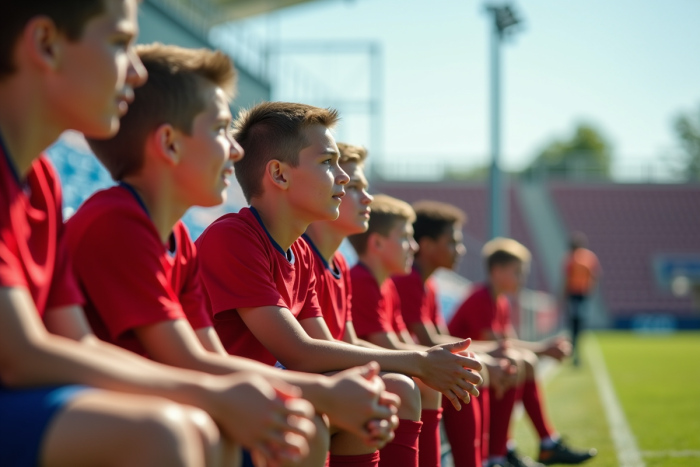
The number is modest: only four clubs participated in the first official football competition in France in 1894. Yet, behind this almost timid arithmetic, a genuine social construction begins. Football, initially planted timidly in the city and long left on the margins of public recognition, will unite neighborhoods, families, and entire generations. Quickly, strict rules are established, collective stakes grow, and the game imposes itself as a common language, a compass for many young people.
For decades, the amateur status locks access to professionalization. National federations hold back, but on the field, energy is not lacking. Players multiply initiatives, stuff municipal archives with stories, and leave living traces. These clubs, sometimes founded before World War I, traverse ages and transmit much more than playing techniques: they convey stories, values, and landmarks. Even today, they nourish local sports identity and offer young people a shared, precious memory that does not fade.
When local football tells the story of a society in motion
Local football is never just a pastime. It scrutinizes the city’s upheavals, reflects tensions, hopes, and sometimes fractures. Take Lorient: since 1926, FC Lorient has been the heartbeat of the Breton city. Its journey, inseparable from that of Brittany, is woven into a history of resistance, solidarity, and demand. The orange and black colors that spread across the Stade du Moustoir are not mere aesthetic details. They tell of belonging, a visceral link that unites supporters and players.
The Merlus, as the club’s faithful are called, do not just applaud: they invest themselves. Match after match, they fill the stands, organize activities, driven by a passion that far exceeds the confines of the field. Rivalries with Brest or Nantes spice up the season, but it is in the transmission of values that the club makes its difference. By orchestrating tournaments, educational projects, and solidarity operations, FC Lorient asserts itself as a player in collective life, a bridge between generations and neighborhoods.
The effects far exceed the mere sporting sphere. Here are some concrete examples of what local football generates on a daily basis:
- Development of temporary positions on match nights,
- Mobilization of volunteers throughout the season,
- Creation of synergies with local merchants and businesses,
- Modernization of stadiums and sports facilities for the entire city.
Over the years, this model has been emulated. Other clubs, like AJA 1905, also draw their strength from their history, their prominent figures, and their territorial roots. This collective memory shapes youth, strengthens the local fabric, and reminds us that football is never just a spectacle. It is a legacy, a chain of transmission, where each generation carries a part of the torch.
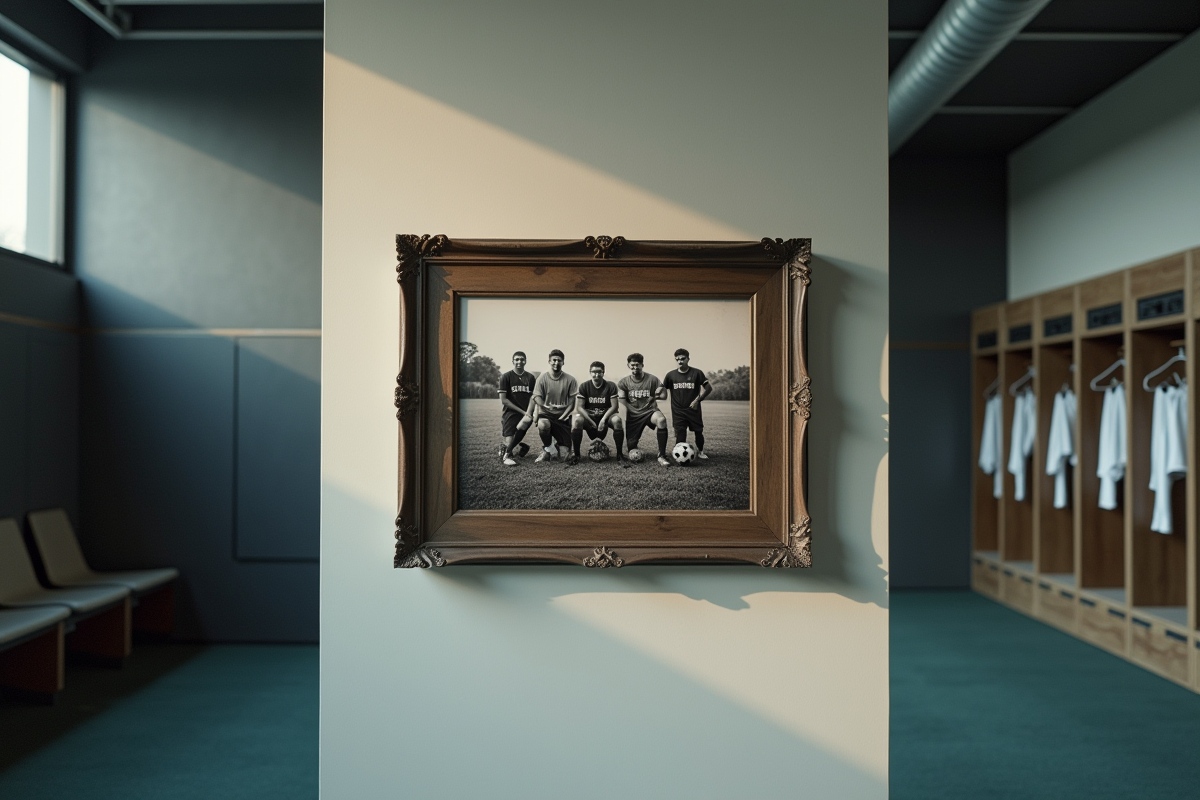
How the journeys and stories of football inspire today’s young generations
In every era, youth seeks its landmarks. The Training Center of FC Lorient takes this role very seriously: it shapes young talents who become, for many, the embodiment of a local dream. Names like Paul Nardi, Vincent Le Goff, or Enzo Le Fée do not come from nowhere. They are the result of years of work, of values transmitted from the very first training sessions: discipline, team spirit, loyalty to the city. Their journeys, from the training ground to Ligue 1, feed the imagination and give youth a concrete ambition.
But here, they do not only train athletes. Every passage through the Lorient academy is also a school of life. Integration into youth collectives, gradual learning of the demands of high-level competition, confrontation with the reality of professional football: all these milestones forge characters, not just records. The highlighting of atypical trajectories, the blending of experience and youth, all stimulate a virtuous dynamic that benefits the entire territory.
On the training grounds, it is often former players who mentor the new waves. They recount memories of the 2002 Coupe de France, the historic rise to Ligue 1 in 1998, locker room anecdotes, victories, and setbacks. Figures like Fabien Lemoine or Moudou Sougou embody the living memory of the club. For young Lorientais, these stories serve as examples, encouragements, and anchor points. They grow up with the conviction that, tomorrow, the story of local football can be written again, with their name and their energy.
In the wake of these journeys, one certainty emerges: the passion for local football does not fade with time. It is transmitted, enriched, adapted, and continues to inspire those who will shape the football of tomorrow. On the pitches or in the stands, the next generation is waiting for one thing: to take the baton and dream, in turn, of entering history.