A series of numbers starting with +225, +44, or +216 often triggers a double reaction: hesitation, then distrust. Since 2022, the number of phone scams exploiting foreign numbers has surged by 35% in France, according to ANSSI. Operators block certain prefixes, but flaws remain in filtering.
Scammers exploit ranges of numbers rarely used by individuals and take advantage of the lack of transparency regarding the true origin of calls. Public databases remain incomplete, while specialized applications struggle to keep up with increasingly sophisticated fraud.
Unknown numbers and suspicious calls: why vigilance is essential today
Now, the stream of suspicious calls has entered our connected lives. An unknown number appears: behind this mundane facade, it can hide much more than just a misplaced call. Scammers innovate: caller ID spoofing, fake ping calls, abusive telemarketing, everything is fair game to trap victims. Unwanted calls proliferate, methods refine, and consumers find themselves on the front lines.
Even some French numbers, like the infamous Cdiscount 0178918256, sow doubt. It’s impossible to clearly distinguish commercial prospecting from organized fraud. As a result, for many, ignoring every unknown call becomes almost instinctive. However, not all anonymous calls are traps.
In light of this situation, a few observations are necessary:
- Phone spam targets both individuals and businesses.
- Reports related to telemarketing are skyrocketing on specialized platforms.
- Caller ID spoofing is severely punished: up to 75,000 euros in fines and five years in prison, according to the French penal code.
The increase in masked calls or unknown numbers is not trivial. It’s a strategy of fatigue: eventually, some answer out of curiosity or exhaustion, and sometimes encounter particularly aggressive interlocutors, or even ping call scams. Reporting a suspicious phone number is no longer just an isolated act; it’s a way to collectively protect users. It remains essential to keep a cool head before answering, even if a familiar name appears on the screen.
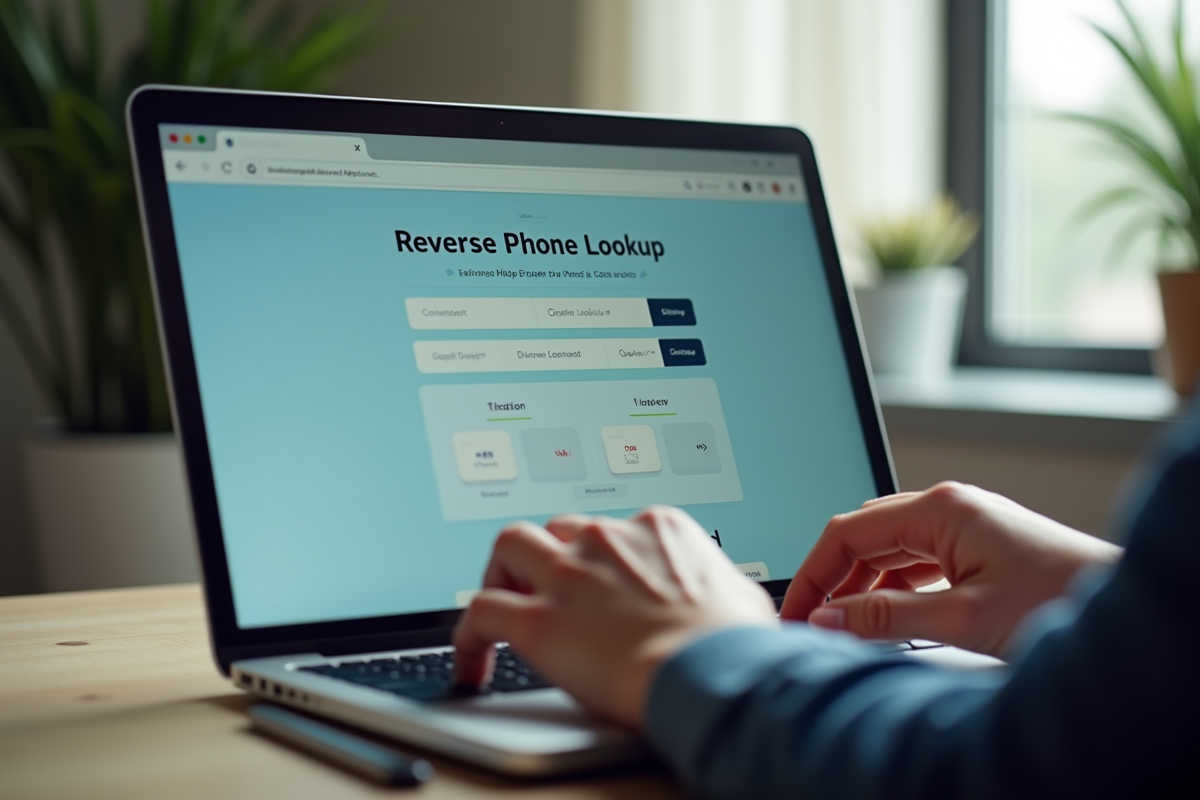
Recognizing the origin of a number: reliable methods and tips to avoid mistakes
When a suspicious phone number appears, the urgency is to identify it before calling back or answering. Several simple steps can help clarify the situation and avoid unpleasant surprises. The prefix, the format of the number, the frequency of calls: each clue has its role.
Here are the reflexes to adopt to determine who you are dealing with:
- Use a free reverse directory. This type of service can sometimes provide information about the caller based on the unknown number displayed.
- Examine the structure of the number. In France, a mobile number starts with 06 or 07, while a landline number begins with 01 to 05. Foreign prefixes often indicate a risky call if you don’t know anyone internationally.
- Pay attention to the timing and frequency of calls. A recurring missed call, especially at unusual times, should raise suspicion.
Activating unwanted call blocking filters on your mobile is an effective barrier. These tools automatically block suspicious numbers and limit your exposure to phone scams. As long as the caller’s identity is uncertain, do not share any personal data.
If a phone number seems dubious, there are official platforms to report it. This action helps curb abusive telemarketing and enhances the security of all users.
In an age where every call can hide a trap, answering becomes a thoughtful act. On the screen, ten digits appear, but sometimes, behind them, a trap awaits. Vigilance is the first filter. Caution is the best defense.